

Europe-42 Pass: The One eSIM for Your Grand Tour
Look, I've spent enough years on the road, watching people fumble with tiny SIM cards at airport kiosks, to know that convenience is king. Especially when you're hopping from the Colosseum to the Louvre, and then chasing sunsets in the Aegean. The Europe-42 Pass isn't just another data plan, it's a sanity-saver for anyone planning an extended European itinerary in 2026.
What is the Europe-42 Pass?
It's essentially a single digital SIM that gives you data connectivity across 42 European countries. Think of it as your passport to the internet, valid from Portugal to Poland, and from Finland down to Greece. No more buying a TIM SIM in Italy, then a Free Mobile SIM in France, and then some obscure Hellenic carrier in Greece. One purchase, one QR code, and you're done. This is the kind of simplicity my WhatsApp groups of fellow nomads rave about, especially for those longer stints in Europe where you might be crossing a dozen borders.
Key Benefits for Multi-Country Travel
- Seamless Transitions: Your phone just connects. As you cross borders, the eSIM automatically switches to the best available network in the new country. I've personally seen this work flawlessly from Slovenia into Croatia, and it's a relief to not have to even think about it.
- Cost-Effective: Often, buying individual local SIMs for short stays adds up. The bundled nature of a multi-country pass usually works out cheaper per GB, especially for routes like Rome-Paris-Santorini where you're not staying in one place for months. For a deeper dive into these savings, check out The Multi-Country eSIM Hack: Save $100+ on Your Euro Trip 2026.
- No More SIM Swapping: This is a big one. No tiny pins, no dropped cards, no trying to remember which country's SIM is in which compartment of your wallet. Your physical SIM slot remains free for your home country SIM if you need to keep it active for banking apps or two-factor authentication.
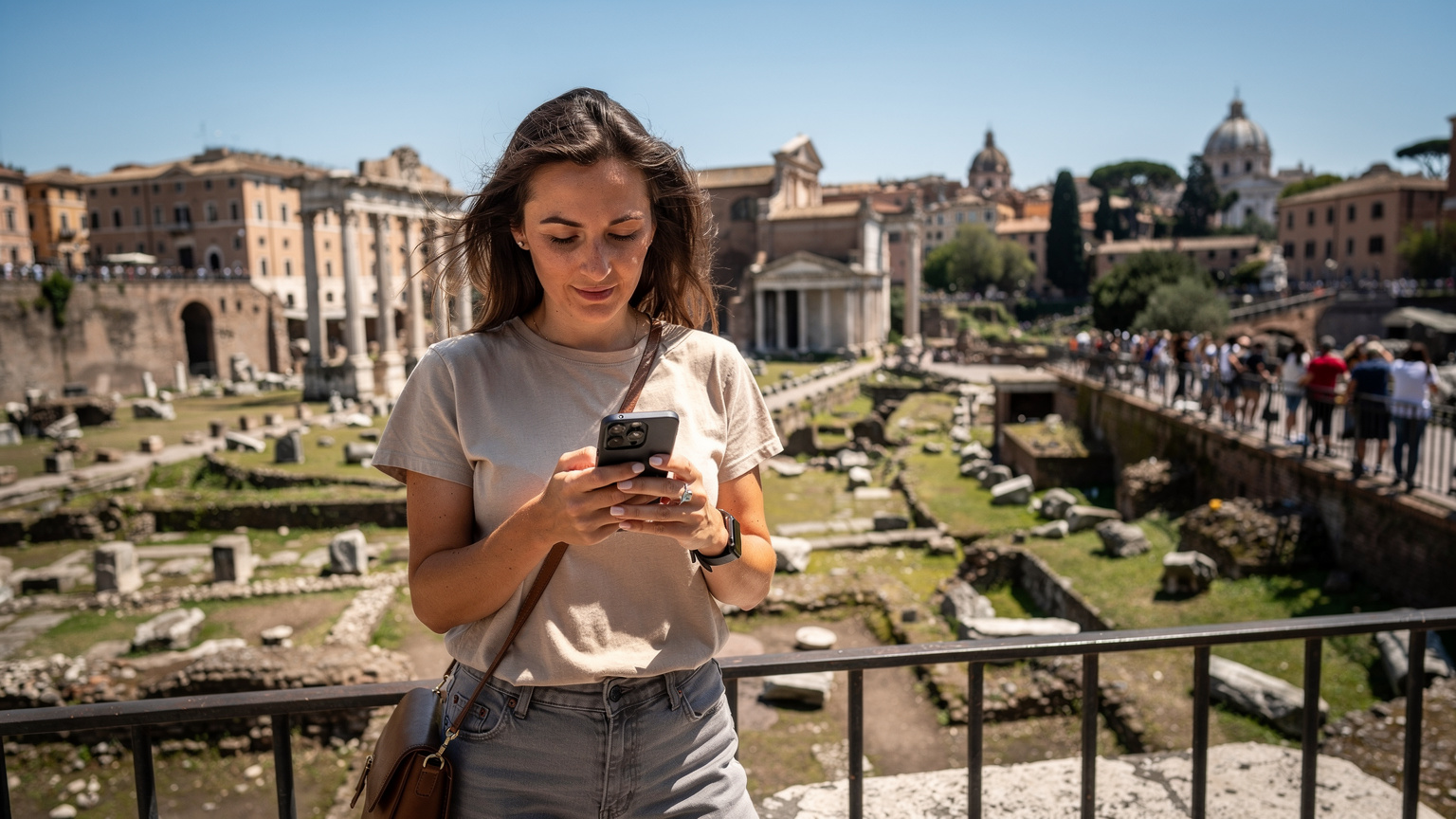
Why a Multi-Country eSIM Isn't Just for Nomads
While my life on the road means I'm always looking for the most efficient ways to stay connected, this kind of pass isn't exclusive to the long-term traveler. If your 2026 European vacation involves more than two countries, you'll feel the benefit.
Beyond the Tourist Trail: Staying Connected for Work and Life
Even if you're not living out of a backpack for years, modern travel often involves needing reliable internet for more than just Instagram. Booking train tickets on Trenitalia, navigating the Paris Metro with Citymapper, or confirming your ferry to Santorini, all require data. And if you're like me, occasionally you'll need to jump on a video call from a cafe. I once had to send a huge file from a coworking space in Lisbon, and the last thing I wanted was a flaky connection. Having a robust data plan across Europe meant I could trust my phone as a hotspot if the coworking Wi-Fi (shoutout to Second Home Lisboa) decided to act up.
Avoiding Local SIM Hassles and Hidden Costs
The allure of a cheap local SIM can be strong, but the reality often involves paperwork, language barriers, and figuring out top-up systems. In some countries, like India, local SIMs require extensive identity verification (Aadhaar linkage, for example) that isn't feasible for a short-term visitor. While Europe is generally easier, dealing with different carriers, different data caps, and different expiry dates across three countries is a headache you don't need on vacation. Not to mention, sometimes a 'cheap' local SIM means throttled speeds or a limited network. For those who want more detail on general connectivity questions, the esimFlyer FAQ is a good resource.
Visa Limitations and Connectivity
This is a niche but important point. Depending on your nationality and visa type (Schengen, long-stay, etc.), some local SIM purchases might be more complicated. While the Europe-42 Pass doesn't solve visa problems, it removes one layer of administrative burden. I've heard stories from non-EU citizens in my nomad circles who've had issues getting a local SIM for a two-month stay because their visa didn't neatly fit the telco's residency requirements. An eSIM bypasses that entirely.
Practicality on the Ground: Rome, Paris, Santorini
Let's get down to brass tacks. How does this actually play out in these iconic destinations?
Rome: From Ancient Ruins to Modern Connectivity
In Rome, you'll find excellent 4G and increasingly 5G coverage, especially within the historic center and major transport hubs. Navigating the Vatican City, finding the best gelato near the Pantheon, or ordering an Uber from Trastevere, all run smoothly with a solid data connection. I typically work from a spot like co-working space Talent Garden Ostiense, where the Wi-Fi is reliable, but having my own data ensures I'm never caught out during my commute on the Metro or if I decide to work from a park bench in Villa Borghese for an hour. A decent apartment in Testaccio might set you back around 900-1200 EUR/month, and my food budget usually hovers around 400-500 EUR, so every bit of savings on connectivity counts.
Paris: City of Lights, City of Data
Paris is a hyper-connected city. Whether you're streaming a podcast on the RER, looking up museum opening hours, or coordinating with friends to meet at Les Deux Magots, your Europe-42 Pass will keep pace. I've found that even in crowded areas like the Latin Quarter or around Montmartre, signal strength remains strong. For work, I often frequent places like Anticafé Beaubourg. While their Wi-Fi is decent, for sending large files or critical calls, I sometimes tether to my phone just for that extra peace of mind. Rent in a central arrondissement, say the 10th, can easily be 1500-2000 EUR for a studio, making efficient spending elsewhere crucial.
Santorini: Island Escape, Uninterrupted Connection
This is where multi-country eSIMs truly shine. While mainland Europe has robust infrastructure, island hopping can sometimes be a mixed bag for local SIMs. In Santorini, particularly in popular spots like Oia and Fira, you'll have excellent coverage. Imagine uploading that perfect sunset photo from your clifftop villa without waiting for hotel Wi-Fi. My typical go-to for Wi-Fi on the islands is usually the hotel lobby or a specific cafe I've scoped out, like a place called Floga in Oia, but relying solely on that is a fool's errand. You'll need data for everything from booking ATV rentals to checking ferry schedules or using Google Maps to find that hidden taverna in Pyrgos.
Setting Up Your Europe-42 Pass: A Step-by-Step Guide
This is probably the easiest part of your travel planning. The beauty of an eSIM is its simplicity.
Before You Depart: The Pre-Travel Prep
- Check Device Compatibility: Ensure your phone is eSIM compatible and unlocked. Most modern iPhones (XS onwards), Google Pixels (3 onwards), and newer Samsung Galaxy models support eSIMs. If you're unsure, a quick search for your specific model and 'eSIM compatibility' will tell you.
- Purchase Your Pass: Visit the provider's website, select the Europe-42 Pass, and complete your purchase. You'll receive an email with a QR code and activation instructions. For a seamless experience, consider getting your Europe eSIM directly.
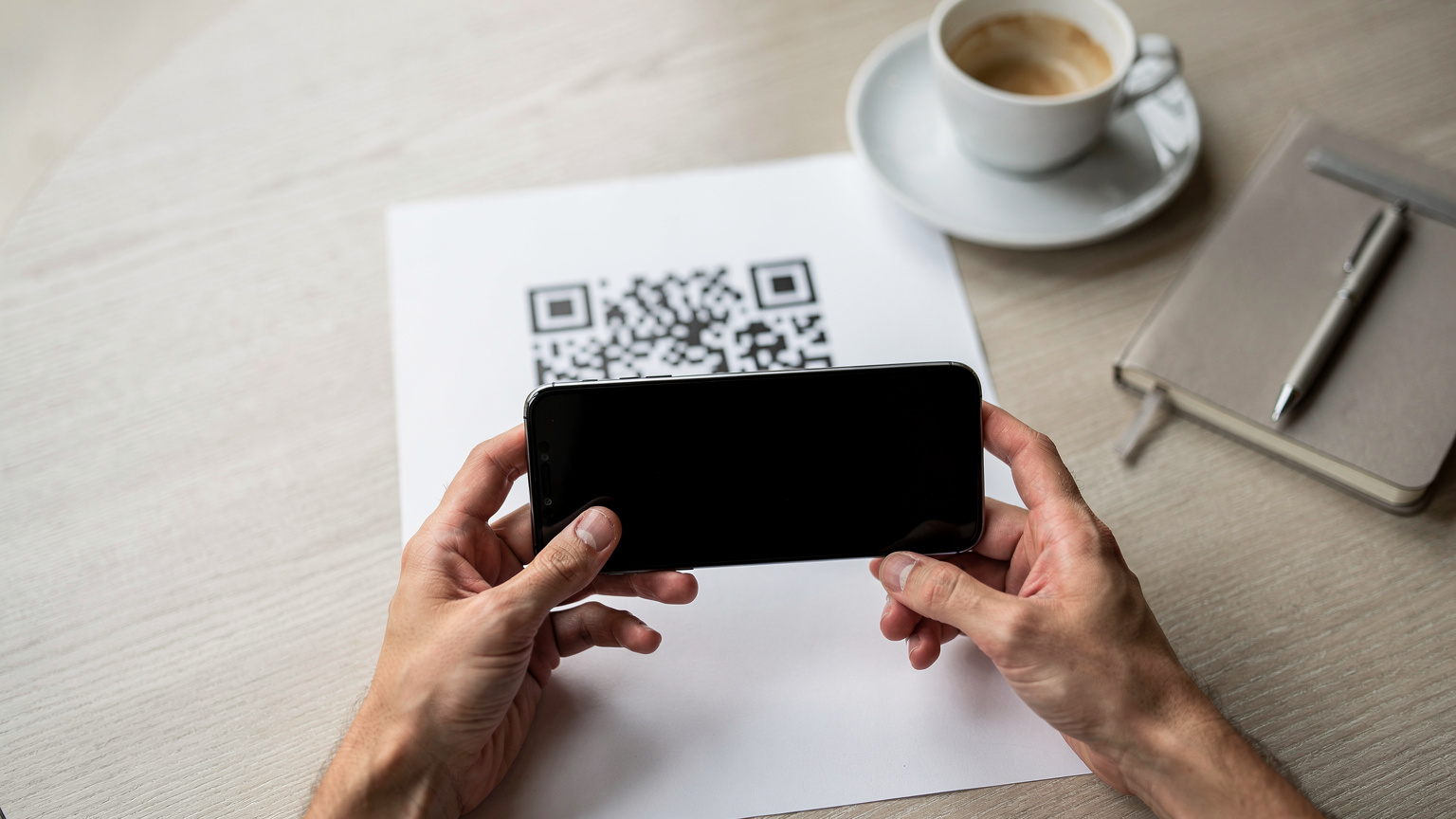
- Download eSIM Profile (Optional but Recommended): While still on your home Wi-Fi, scan the QR code to download the eSIM profile to your device. This adds the eSIM to your phone's settings but doesn't activate it for data usage yet.
- Label Your eSIM: Once downloaded, go to your phone's cellular settings and label the new eSIM. Something like 'Europe Travel' or 'esimFlyer Europe' makes it easy to identify later.
Upon Arrival in Europe: Activating Your Data
- Land and Power On: Once your plane touches down in Europe (e.g., Rome Fiumicino), power on your device.
- Access Cellular Settings: Go to your phone's cellular or mobile data settings.
- Select Your eSIM: Find the eSIM you labeled ('Europe Travel') and turn it on. Make sure 'Data Roaming' is enabled for this specific eSIM.
- Set as Primary Data Line: Set this eSIM as your primary line for mobile data. You can usually keep your home SIM active for calls/texts if needed, just ensure it's not set for data.
- Connect and Explore: Within minutes, your phone should connect to a local network, and you'll have data. You're now ready to navigate, message, and share your European adventure without interruption.
Data Usage: Expectations and Realities on the Road
How much data do you actually need? That's the million-dollar question, and it really depends on your habits.
Understanding Your Data Appetite
I've seen people blow through 20GB in a week and others stretch 5GB for a month. It comes down to what you're doing. Streaming Netflix on the train, for example, will eat data faster than checking maps and WhatsApp messages. Here's a rough guide:
- Light User (5-10GB/month): Maps, messaging, occasional social media, light browsing. This is enough for most tourists who rely on hotel Wi-Fi for heavy use.
- Moderate User (15-30GB/month): Regular social media, some video streaming (YouTube), frequent video calls, daily navigation, occasional tethering. This is usually what I aim for if I'm doing a mix of work and travel.
- Heavy User (50GB+): Extensive video streaming, constant tethering for laptop work, large file uploads/downloads, gaming. If you're a heavy digital nomad relying solely on your phone as a hotspot, you'll need a larger plan. For example, my experience in Chiang Mai Digital Nomading 2026: 50GB+ eSIM for Your Remote Office & Streaming required a significant data allowance.
Hotspotting: A Digital Nomad's Best Friend
One of the greatest advantages of a robust eSIM plan is the ability to hotspot. This means you can share your phone's data connection with your laptop, tablet, or even another phone. I do this constantly. If I'm stuck waiting for a train at Gare du Nord in Paris and need to respond to emails, I'll tether my laptop. Just remember that hotspotting drains your phone battery quickly and uses data faster, so keep an eye on both.
Navigating Connectivity Challenges: What Actually Breaks
No system is perfect, and even with the best plans, things can go sideways. Knowing what to expect helps.
Spotty Coverage and Dead Zones
While the Europe-42 Pass leverages multiple carrier networks, there will always be dead zones. Think remote mountain passes in the Alps, deep within ancient Roman catacombs, or sometimes even specific corners of a bustling city cafe. These are typically localized and temporary. The key is to be patient, or move a few meters. If you're in a particularly remote area, like for winter sports in Norway, you might need a more specialized plan. Consider reading about Oslo Winter Sports: Tundra-Grade Connectivity for Your 2026 Trip to understand specific challenges.
Throttling and Fair Usage Policies
Some providers, especially with unlimited or very large data plans, implement fair usage policies. This means if you consume an extraordinary amount of data in a short period, your speeds might be temporarily reduced. It's rare for typical tourist usage, but if you're constantly streaming 4K video or downloading massive files, you might hit it. Always check the fine print of your specific plan.
Device Issues and User Error
Sometimes, the problem isn't the eSIM, it's the device or the user. Double-check your phone's settings: Is the eSIM enabled? Is data roaming on for that eSIM? Is your home SIM set to NOT use data? A simple restart can also fix many minor connectivity glitches. I’ve helped countless friends troubleshoot these exact issues. Often, it’s just a setting they’ve overlooked.
The Cost of Connectivity: Comparing eSIM to Local SIMs
Let's talk money, because that's usually the deciding factor for most travelers.
Europe-42 Pass vs. Individual Local SIMs
When you're comparing, it's not just about the sticker price of data. It's about the hidden costs and time commitment. A local SIM might cost 15-20 EUR for 10-20GB in one country, but then you repeat that in France and Greece. That's 45-60 EUR minimum, plus the time spent. A multi-country eSIM might be 30-50 EUR for 20-30GB across 42 countries. For a long trip, the value is clear.
| Factor | Europe-42 Pass (eSIM) | Local SIMs (per country) |
|---|---|---|
| Purchase & Activation Time | 5-10 minutes, online | 30-60 minutes per country (finding store, paperwork) |
| Cost for 20GB (approx.) | 30-50 EUR (for multi-country) | 15-25 EUR (per country, so 45-75 EUR for 3 countries) |
| Convenience | Seamless, one setup for all countries | Repeated setup, language barriers possible |
| Network Access | Multiple top carriers in each country | Single carrier per country, variable quality |
| Physical Hassle | None, entirely digital | SIM card swapping, risk of loss |
Understanding Data Expiry and Validity
Most eSIM plans, including the Europe-42 Pass, come with a validity period (e.g., 15 days, 30 days, 60 days). This is crucial for long-term travelers. Make sure your pass covers your entire trip duration. If you're doing a two-month Europe trip, a 30-day plan won't cut it, and you'll need to buy a second one. Always calculate your data needs against your travel duration.
Making the Most of Your Europe-42 Pass
A good tool is only as good as how you use it.
Optimizing Your Data Usage
- Download Offline Maps: Before you head out each day, download offline maps for the area in Google Maps or Maps.me. This saves data and battery, and it's a lifesaver if you hit a dead zone.
- Use Wi-Fi When Available: Hotel Wi-Fi, cafe Wi-Fi, coworking spaces like Spaces Montparnasse in Paris, use them for heavy downloads and streaming. Don't waste your precious data plan on tasks that can be done for free.
- Manage Background App Refresh: Turn off background app refresh for data-hungry apps like social media and streaming services in your phone settings.
- Adjust Streaming Quality: If you must stream video on mobile data, reduce the quality to standard definition.

Staying Secure with Your Connection
Even with your own data, always be mindful of security, especially in public Wi-Fi zones. A VPN is always a good idea, whether you're using public Wi-Fi or even your mobile data if you're handling sensitive information. While your eSIM provides a secure connection to the carrier, a VPN adds an extra layer of encryption, something I consider essential for any digital nomad. It's not just for security, it also helps bypass geo-restrictions on certain content, which can be useful when you’re craving a specific show only available back home.
Final Thoughts on Seamless European Travel 2026
The Europe-42 Pass for 2026 isn't just about data, it's about peace of mind. It's about not having to worry about connectivity when you're trying to figure out which bus goes to the Pantheon, or when you need to quickly check the reviews for that taverna in Fira. It frees up mental space, allowing you to focus on the experience itself, not the logistics of getting online.
The Nomad's Perspective: Time is Money, and Sanity is Priceless
I've been there, done that, and bought the t-shirt. The hours wasted trying to get a local SIM, only to find out it doesn't work in the next country, are hours you'll never get back. As a long-stay nomad, I value my time, and I value frictionless travel. This pass delivers on that promise for European adventures. Whether you're a seasoned globetrotter or planning your first big European trip, simplifying your connectivity is one of the smartest moves you can make.
Preparing for the Unexpected
Even with an eSIM, it's always wise to have a backup plan. A small power bank for your phone is non-negotiable. Knowing where free Wi-Fi spots are (many cafes, McDonald's, Starbucks, public libraries) can also be helpful in a pinch. But with the Europe-42 Pass, those instances should be rare, allowing you to focus on enjoying the rich tapestry of cultures, histories, and landscapes that Europe has to offer in 2026.
Frequently Asked Questions
What countries are included in the Europe-42 Pass?
The Europe-42 Pass covers 42 countries across Europe, including popular destinations like Italy, France, Greece, Spain, Germany, and the UK, as well as many smaller nations. It's designed to provide comprehensive coverage for extensive European itineraries.
Can I make calls and send SMS with the Europe-42 Pass?
Typically, the Europe-42 Pass is data-only. For calls and SMS, you'll rely on internet-based apps like WhatsApp, FaceTime, or Google Voice. You can keep your home physical SIM active for traditional calls/texts, just ensure its data roaming is turned off to avoid charges.
How do I check my data balance on the Europe-42 Pass?
Most eSIM providers offer a way to check your data balance either through their dedicated app, a web portal, or by dialing a specific shortcode. Details for checking your balance are usually included in the activation email or on the provider's website.
What if I run out of data before my trip ends?
If you exhaust your data allowance, you can usually top up your existing eSIM plan with more data directly through the provider's app or website. This process is quick and can be done from anywhere with an internet connection.
Is the Europe-42 Pass suitable for working remotely?
Yes, for remote work that doesn't involve constant heavy data usage (like large file transfers or continuous high-definition video conferencing), the Europe-42 Pass is excellent. For demanding tasks, always supplement with reliable Wi-Fi at coworking spaces or cafes, or opt for a higher data allowance plan.
Will my phone be unlocked to use an eSIM?
Yes, your phone must be unlocked by your home carrier to use any third-party eSIM. Most phones purchased outright or after fulfilling a contract term are unlocked. If you're unsure, contact your current mobile provider to confirm your device's unlock status.